My academic focus centers on applied artificial intelligence and engineering, with growing interests in biomedical and chemical systems where modeling, data, and real-world applicable engineering intersect.
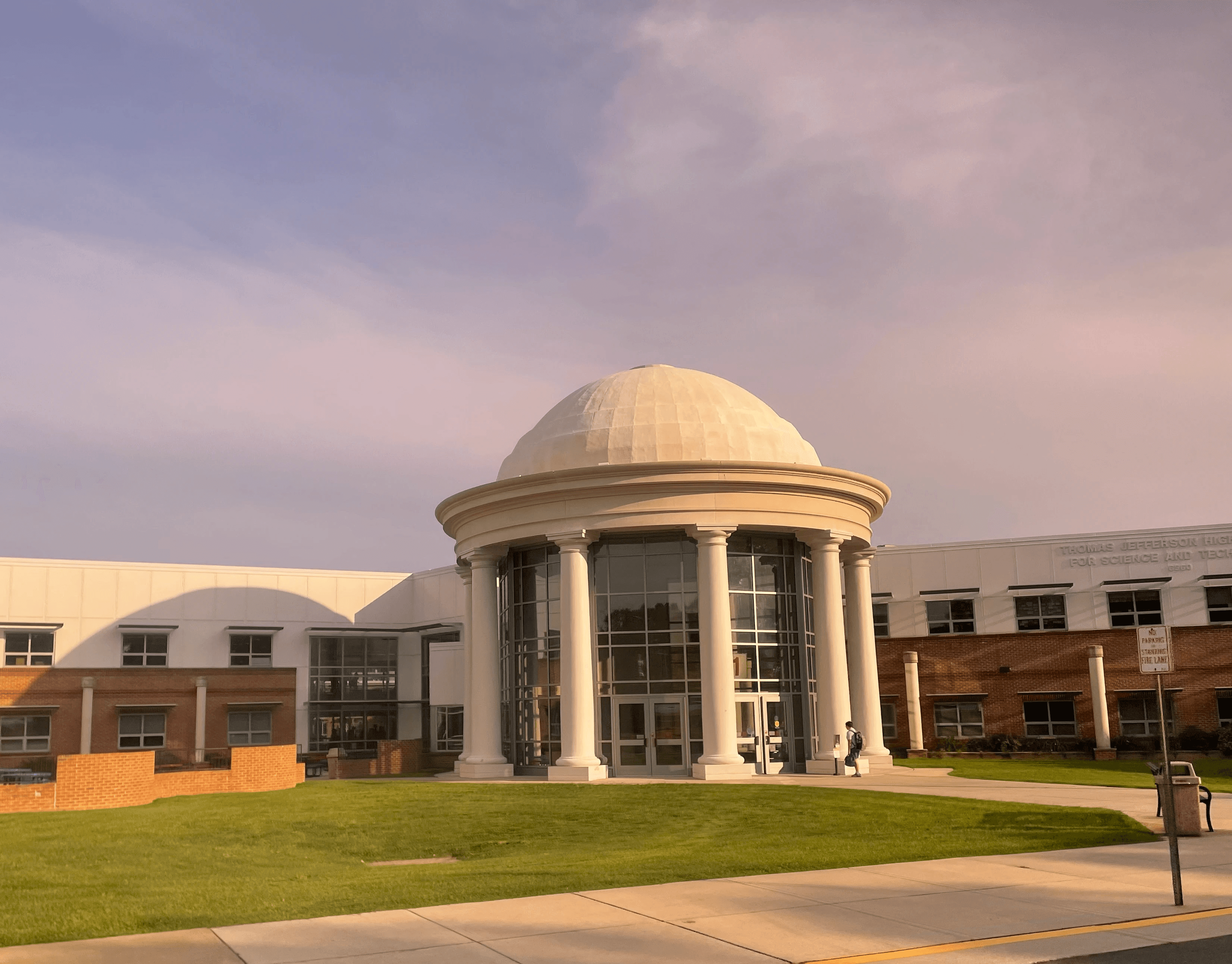
Thomas Jefferson High School for Science and Technology
A public magnet school located in Alexandria, Virginia.
#5 ranked in the nation
#1 ranked in the states
A public magnet school located in Alexandria, Virginia.
#5 ranked in the nation
#1 ranked in the state
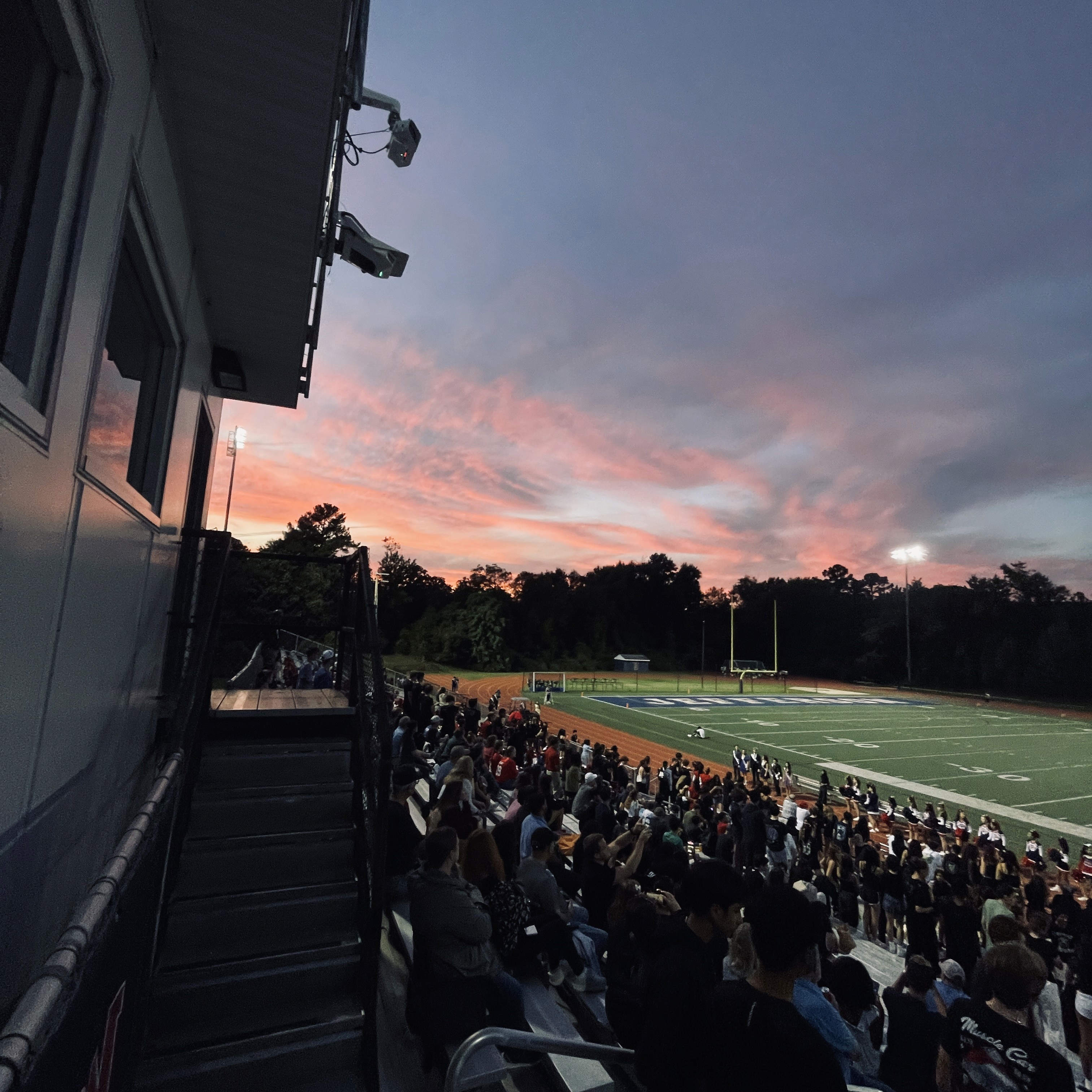
Junior Season
Current Courses:
AP United States History
AP Physics
AP Pre-Calulus
AP Macroeconomics
AP Microeconomics
AV Artificial Intelligence
AV Computer Vision
AV Web & App Development
Research Experiences
Biomedical Engineering @ Stanford iGEM
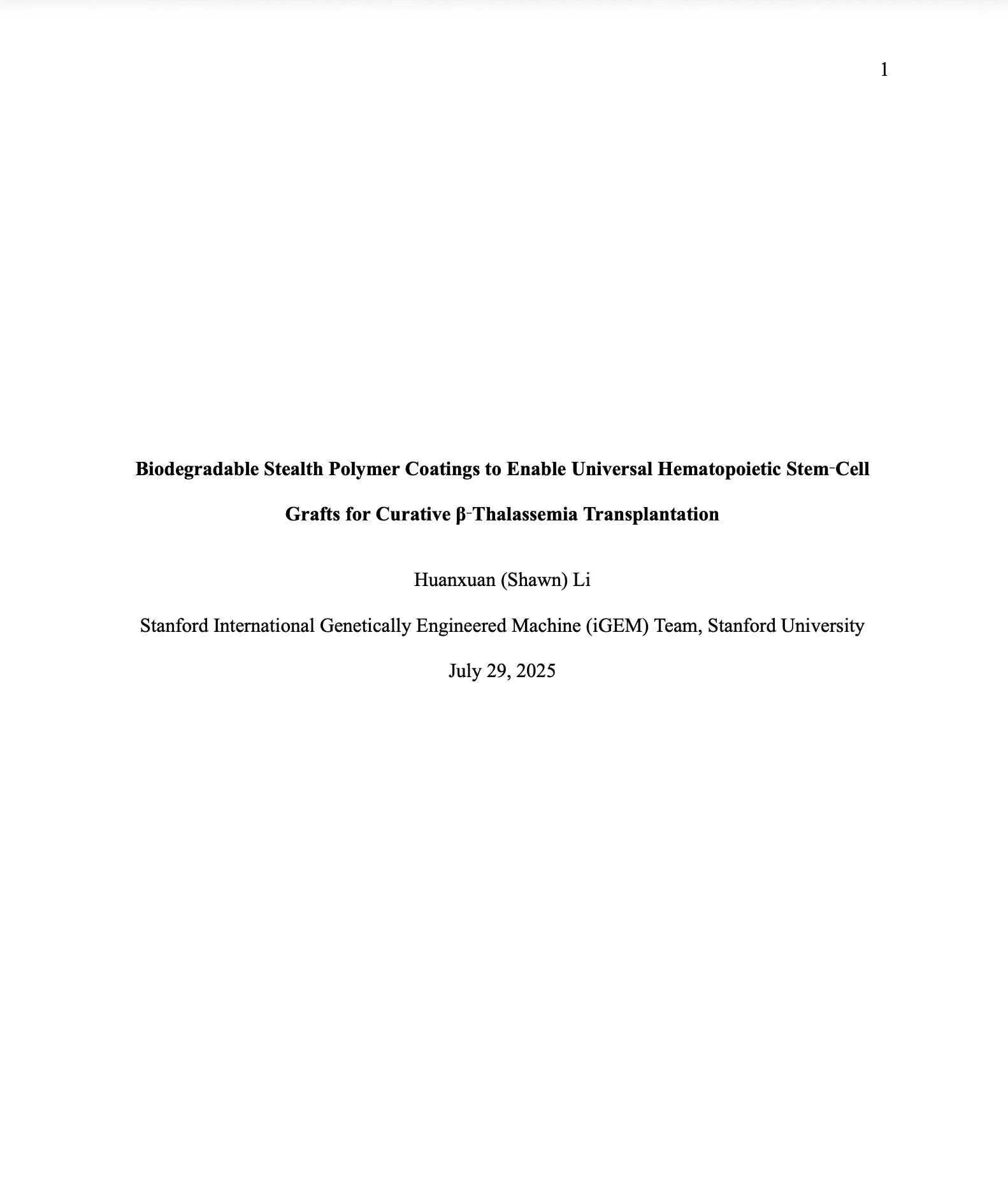
This research proposed a biodegradable polymer-based immunocloaking strategy to reduce graft-versus-host disease in hematopoietic stem-cell transplantation for β-thalassemia. The project explored transient nanoscale coatings designed to temporarily mask donor cell antigens while preserving stem-cell viability and engraftment potential. Through theoretical modeling and experimental design, the work establishes a scalable proof-of-concept for improving access to curative stem-cell therapies across diverse patient populations.
This research proposed a biodegradable polymer-based immunocloaking strategy to reduce graft-versus-host disease in hematopoietic stem-cell transplantation for β-thalassemia. The project explored transient nanoscale coatings designed to temporarily mask donor cell antigens while preserving stem-cell viability and engraftment potential. Through theoretical modeling and experimental design, the work establishes a scalable proof-of-concept for improving access to curative stem-cell therapies across diverse patient populations.
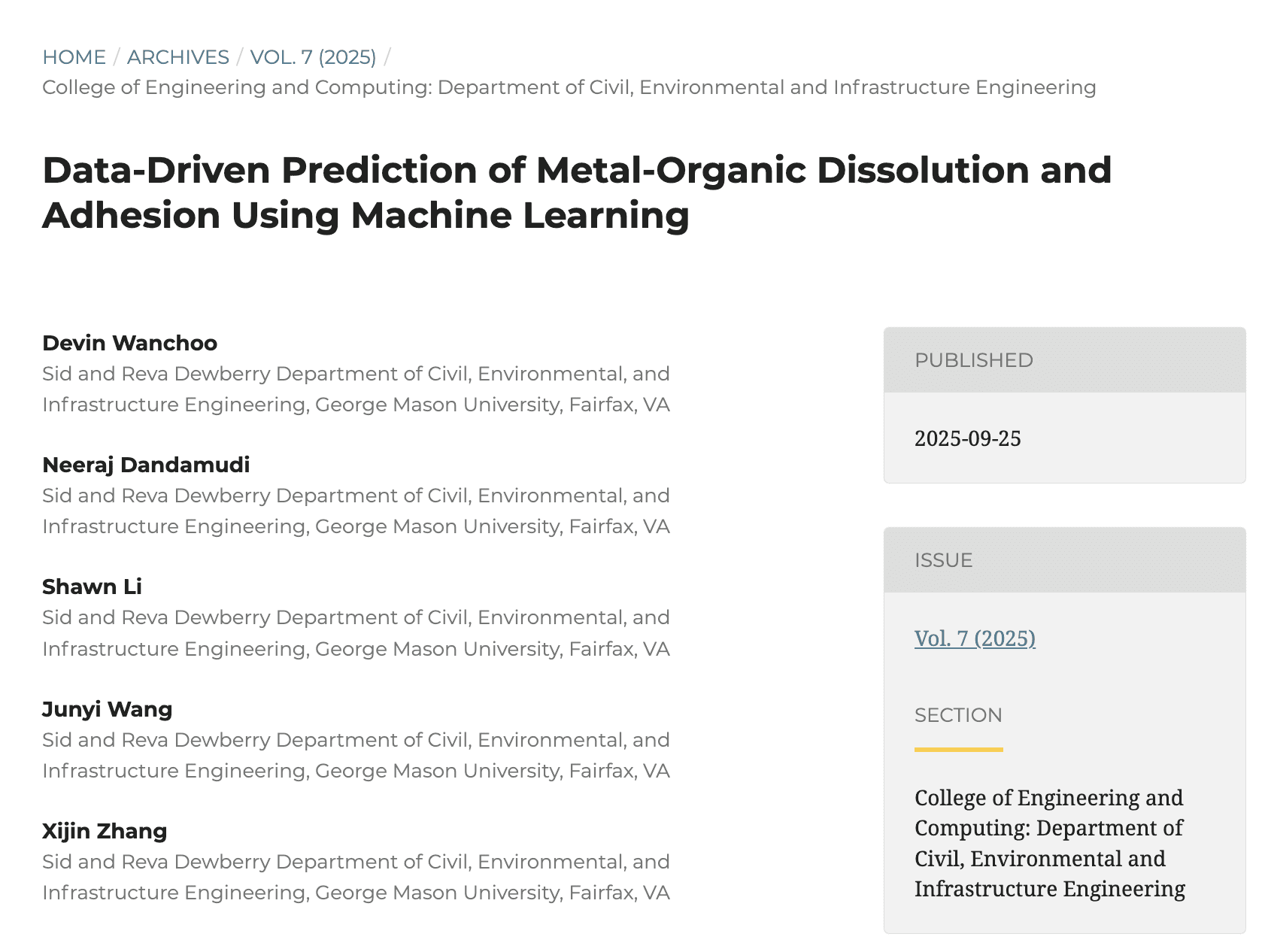
This study addressed gaps in predicting how metal ions, organic ligands, and environmental conditions jointly influence dissolution and adhesion in metal–organic systems. A unified dataset of 71 experimentally validated reactions was constructed using molecular properties of metals, high-dimensional descriptors of organic compounds, and environmental variables such as pH and temperature. Random Forest and Support Vector Machine models were trained to predict outcomes and identify key molecular features driving reactivity, establishing an interpretable, data-driven framework applicable to sustainable chemistry and biomaterials engineering.
This study addressed gaps in predicting how metal ions, organic ligands, and environmental conditions jointly influence dissolution and adhesion in metal–organic systems. A unified dataset of 71 experimentally validated reactions was constructed using molecular properties of metals, high-dimensional descriptors of organic compounds, and environmental variables such as pH and temperature. Random Forest and Support Vector Machine models were trained to predict outcomes and identify key molecular features driving reactivity, establishing an interpretable, data-driven framework applicable to sustainable chemistry and biomaterials engineering.
Energy Consumption in Deep Learning Models
Energy Consumption in Deep Learning Models
Energy Consumption in Deep Learning Models
This research examined how system-level and architectural factors affect energy consumption during CPU-based deep learning training. Using the BUTTER-E dataset with node-level watt-meter measurements, a multivariate regression model quantified the impact of power draw, runtime, model size, and depth on total energy use. The analysis showed that active compute time and instantaneous power dominate energy consumption, reinforcing sustainable AI principles and providing a practical forecasting tool for resource-constrained research environments.
This research examined how system-level and architectural factors affect energy consumption during CPU-based deep learning training. Using the BUTTER-E dataset with node-level watt-meter measurements, a multivariate regression model quantified the impact of power draw, runtime, model size, and depth on total energy use. The analysis showed that active compute time and instantaneous power dominate energy consumption, reinforcing sustainable AI principles and providing a practical forecasting tool for resource-constrained research environments.

Active Skills
Python
Java
C++
C
R
Competitive Programming
HTML/CSS/JavaScript
Data Analysis/Manipulation
Computational Modelling
Computer-Aided-Design
Computer Vision Pipelines
Artificial Intelligence
Honors
President's Award for Educational Excellence
President's Volunteer Service Award
National Honor Society
National Chinese Honor Society
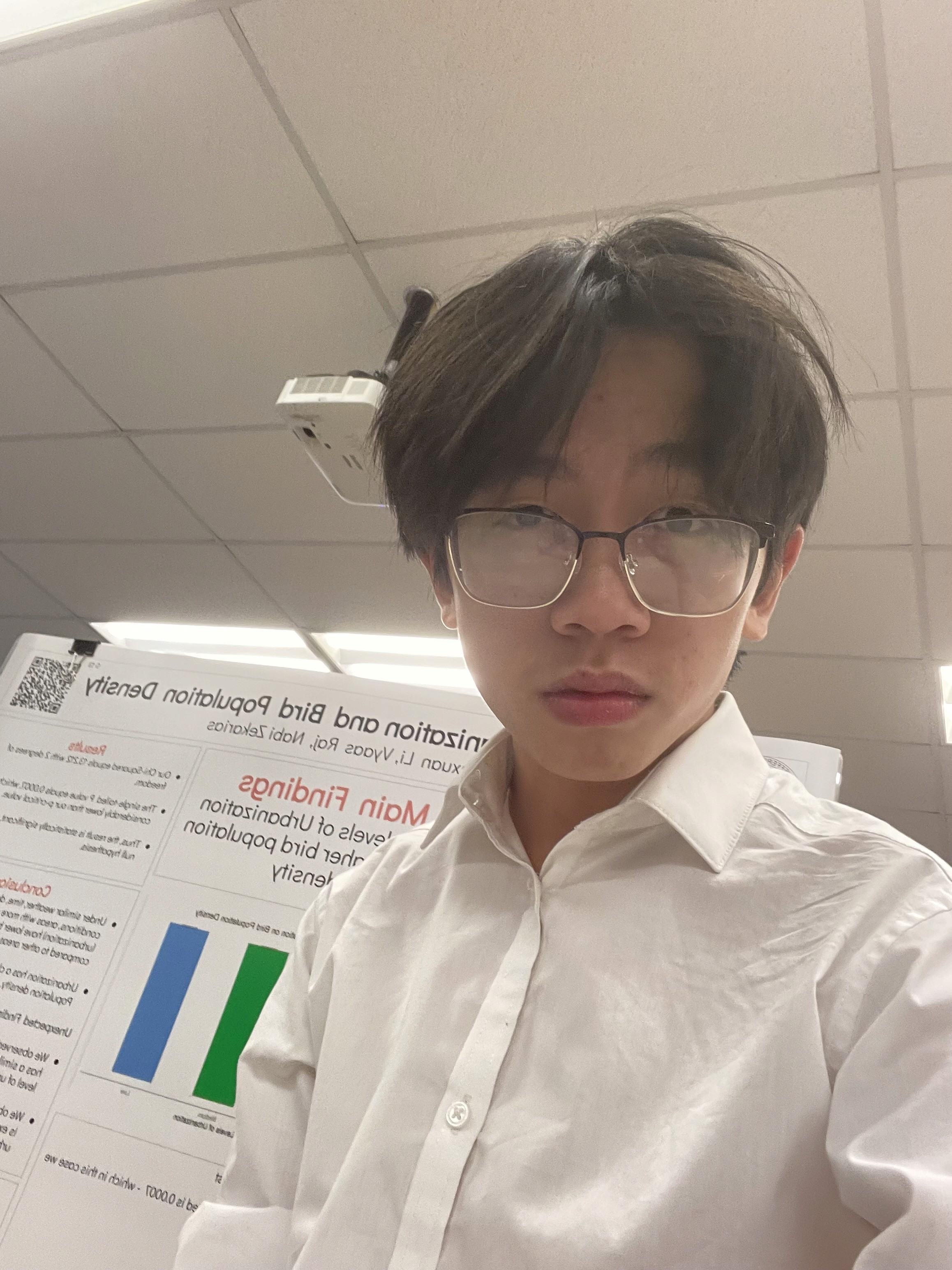
May 30, 2024
Shawn at his first research conference, presenting his freshman year's yearlong research project.